Financial Strategies for Managing Single-Income Household Expenses

David Sterling
Managing Editor, Borrowing · Updated October 2026
David Sterling
Managing Editor, Borrowing · Updated October 2026
Imagine a household in 2026 where the monthly income is exactly $4,500. After accounting for rising costs in groceries and utilities, that single paycheck must cover mortgage payments, car insurance, healthcare premiums, and still leave enough to build an emergency fund. For many families, this isn't just a hypothetical scenario; it is a daily reality. Managing a household on a single income requires a level of precision and discipline that dual-income households may not always need to prioritize. It is about moving from reactive spending to proactive management.
As we navigate the economic landscape in 2026, many find that inflation has made traditional budgeting methods feel outdated. Statistics show that single-income households often face higher volatility when unexpected expenses arise, such as a sudden $1,200 car repair or an increase in medical premiums. For instance, if a household's essential monthly expenses total $3,800, leaving only $700 for savings and discretionary spending can feel precarious.
This article is designed to provide you with concrete, actionable strategies to navigate these challenges. We will explore how to map your cash flow, manage debt effectively, and build a safety net that provides peace of mind. By the end of this guide, you will have a framework for making informed decisions about your money, whether you are looking to tighten your belt or optimize your current spending patterns.
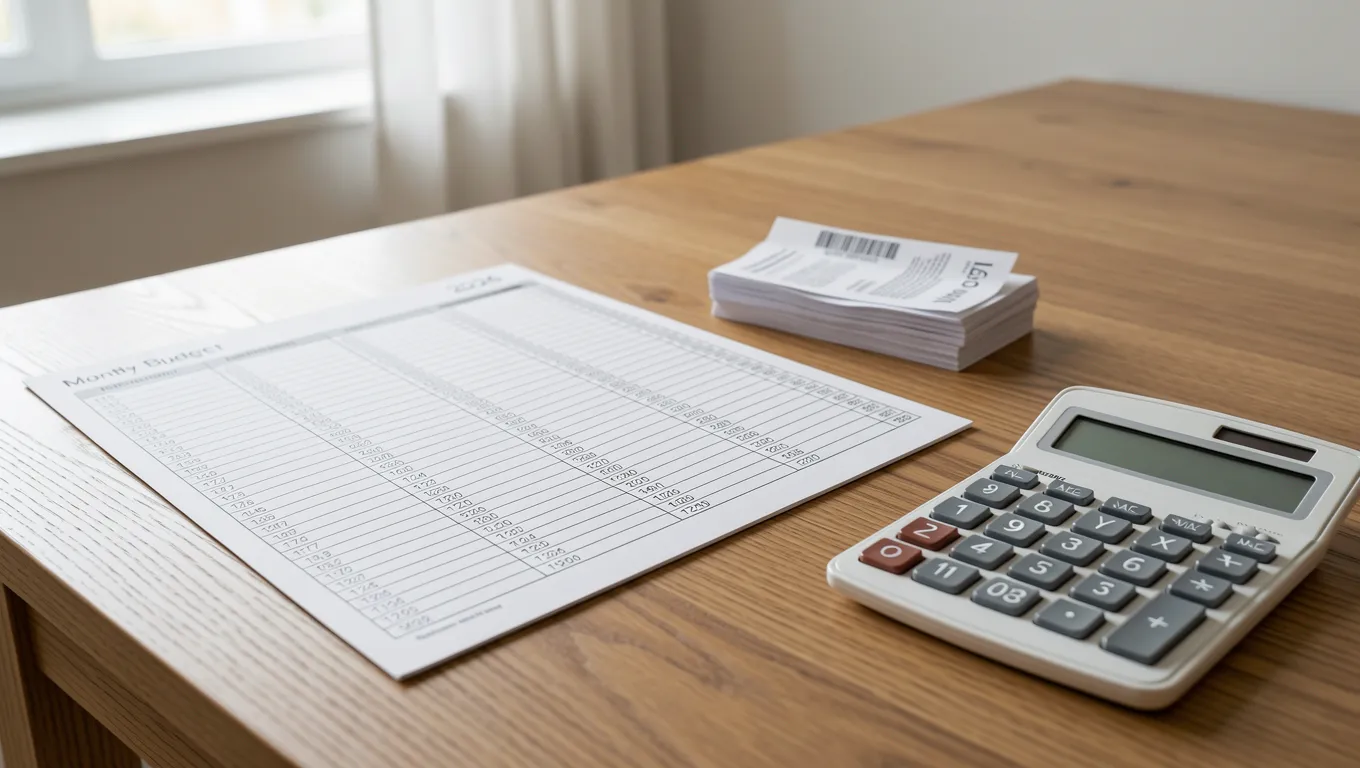
The foundation of any successful single-income strategy is understanding exactly where every cent goes. In 2026, many experts recommend the 'Zero-Based Budgeting' method for one-earner homes. This approach ensures that your income minus your expenses equals zero at the end of the month, meaning every dollar is assigned a specific job—whether that is paying the electric bill or being moved into a high-yield savings account.
To implement this, you must categorize your spending into three distinct buckets:
A common mistake in this stage is failing to account for 'phantom expenses'—those small, recurring subscriptions that seem insignificant but add up over time. Always audit your digital subscriptions at least once every quarter to ensure you are only paying for what actually adds value to your life.
When managing one income, the tension between 'needs' and 'wants' is heightened. A critical decision framework involves evaluating every major purchase through a cost-benefit lens. For example, when deciding between renting an apartment closer to work or living further away in a cheaper area, you must factor in the hidden costs of commuting. If moving 10 miles further saves you $300 in rent but adds $250 in fuel and vehicle maintenance, the net gain is only $50—a marginal benefit that may not be worth the extra time spent driving.
Another area where trade-offs are common is food procurement.
It is also vital to understand that 'stability' isn't just about having money in the bank; it's about predictable cash flow. This means ensuring your most critical bills—housing and utilities—are automated so they are never late, even if you have a particularly tight month.
Debt can be particularly heavy when there is no second income to act as a buffer. If you find yourself carrying high-interest credit card debt, the interest alone can eat into your ability to cover basic needs. For example, a $5,000 balance at 22% APR could cost you nearly $90 per month in interest alone if you only make minimum payments.
There are two primary ways to tackle this: the Debt Snowball and the Debt Avalanche. The Snowball method involves paying off your smallest debts first to build psychological momentum. The Avalanche method focuses on paying off the debt with the highest interest rate first, which is mathematically more efficient.
Avoid taking on new debt to pay off old debt unless it is a structured consolidation plan with a lower APR. Using high-interest personal loans to cover daily living expenses is a cycle that often leads to long-term financial instability.
In 2026, the concept of an 'emergency fund' has shifted from a luxury to a necessity for single-income households. Because you lack the safety net of a second paycheck, your buffer needs to be more robust than that of a dual-income household. Financial experts often suggest aiming for three to six months of essential expenses in a liquid savings account.
Let's look at the numbers. If your monthly survival cost (rent, food, utilities, insurance) is $3,000, an emergency fund should ideally be between $9,000 and $18,000. While that number can seem daunting, it is best approached through 'Sinking Funds.' A Sinking Fund is a way of saving for specific, non-monthly expenses by setting aside small amounts each month.
Expert nuance: Many people make the mistake of keeping their entire emergency fund in a standard checking account where it earns zero interest. To maximize your money, consider placing these funds in a high-yield savings account (HYSA). This allows your safety net to grow slightly through interest while remaining easily accessible when an actual crisis occurs.
Life is unpredictable, and for a single-income home, a sudden change—like a medical emergency or a significant car repair—can feel like a catastrophe. The Consumer Financial Protection Bureau (CFPB) provides various resources to help consumers navigate debt collection and financial hardship, which can be invaluable if you find yourself in a temporary bind.
If an unexpected expense arises, your first step should be a 'triage' of your budget. This means immediately pausing all non-essential spending for the next 30 days to create breathing room. For example, if a $1,500 dental bill arrives unexpectedly, you might choose to cancel all streaming services and dining out for two months to cover the cost without touching your emergency fund.
A critical pitfall is the temptation to use 'Buy Now, Pay Later' (BNPL) services for essential items. While these can seem helpful in the moment, they create a series of small, overlapping obligations that can quickly become unmanageable when you only have one income stream. Always prioritize cash-on-hand over installment-based consumption for necessities.
If you are facing long-term hardship, such as a reduction in work hours, it is often better to contact your creditors early. Many companies have programs for temporary relief or restructured payment plans, but they are much more likely to help if you reach out before you miss a payment.
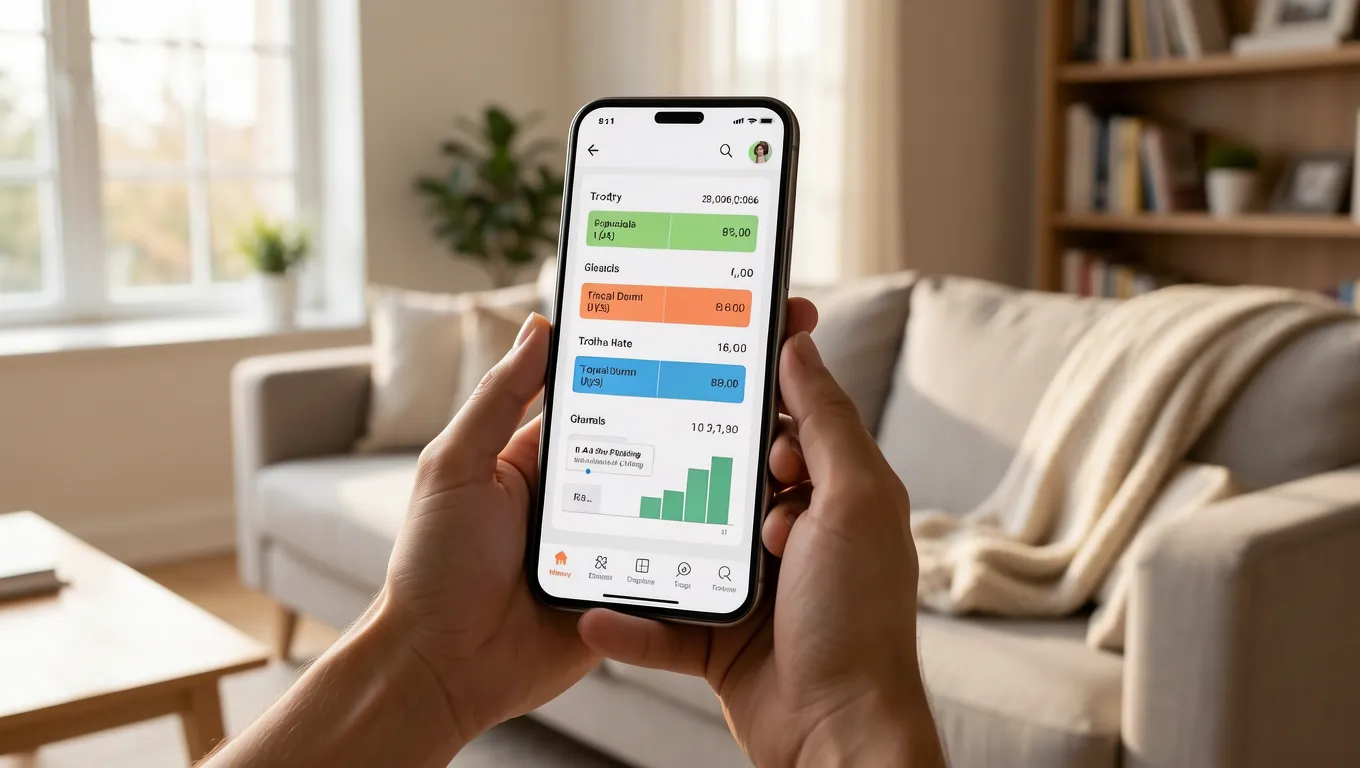
The final step in mastering single-income finances is the ongoing optimization of your daily habits. It isn't about deprivation; it's about intentionality. In 2026, technology offers many ways to track and optimize spending that were not available a decade ago. Using apps that categorize your spending automatically can provide an immediate reality check on where your money is going.
One highly effective strategy is the '72-Hour Rule' for non-essential purchases. If you see something online or in a store that you want but do not need, wait 72 hours before buying it. This cooling-off period allows the impulse to fade and gives you time to check your budget to see if the purchase actually fits within your monthly plan.
Another tactic is 'Automated Savings.' If you have to manually move money into savings every month, you are more likely to skip a month when things get tight. By automating a transfer of even $25 or $50 per paycheck directly from your checking account to a separate savings account, you ensure that your future self is being taken care of before the temptation to spend arises.
Ultimately, managing a single-income household is about creating a sustainable rhythm. It requires constant adjustment and a willingness to pivot when circumstances change. By implementing these strategies—mapping cash flow, prioritizing essentials, managing debt, building reserves, and optimizing spending—you can create a stable and prosperous home environment.
If this option fits your situation, it's also worth comparing bad credit loans and unsecured personal loans bad credit.